Before a client hears your pitch, reviews your proposal, or sits down for a meeting, they are already forming an opinion about your company. The reception area, lighting, cleanliness, and even the way people move through the space all communicate something about your professionalism.
That is why professional office design that builds trust starts with understanding what clients notice first and making sure those details tell the right story.
Why First Impressions Matter in Professional Office Design
Your office is more than a place to work. It is a daily reflection of your company’s identity, culture, and standards. A well-designed professional office can help clients feel confident that your team is organized, credible, and prepared to serve them. For professional services firms, financial companies, consultants, manufacturers, healthcare-adjacent businesses, and corporate offices, the space often becomes part of the brand experience.
Thoughtful office design balances appearance with function. It supports workflow, encourages collaboration, improves comfort, and creates a polished environment for visitors. When those elements work together, clients notice. Often, these small details make clients more likely to associate your business with reliability and quality.
1. The Reception Area Sets the Tone
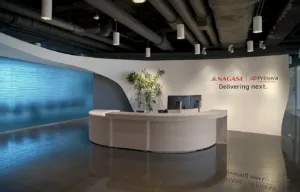
The reception area is often the first physical touchpoint between your business and a client. A cramped, outdated, or poorly organized entry can create uncertainty. A clean, welcoming, brand-aligned reception space communicates the opposite: attention to detail, preparedness, and respect for the visitor’s time.
Consider comfortable seating, clear signage, durable finishes, appropriate lighting, and a reception desk that feels approachable without sacrificing professionalism. Small choices, such as where guests check in, how easily they can find their way, and whether the brand is visible but not overwhelming, can shape the entire client experience.
2. Layout Tells Clients How Your Business Works
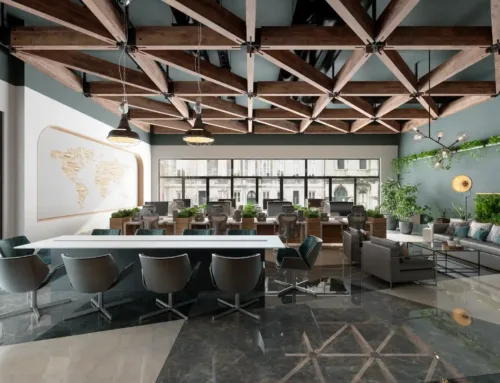
Clients notice whether a space feels intuitive. If visitors are unsure where to go, if private conversations are too exposed, or if employees seem disconnected from the way the office is arranged, the layout can undermine confidence. Strategic space planning helps align the office with daily operations, team structure, confidentiality needs, and future growth.
A custom office design does not have to follow a one-size-fits-all model. Instead, it should reflect how the business actually operates: who uses the space, how teams collaborate, how often clients visit, what kind of meetings happen, and how the company may evolve over the next several years.
3. Brand-Aligned Materials and Finishes Build Credibility
Clients may not be able to name every material, finish, or color choice, but they can sense when a space feels cohesive. Flooring, wall finishes, furniture, lighting, and artwork should work together to reinforce the company’s identity. A modern technology firm may need a very different environment than a law office, financial advisor, life sciences company, or manufacturing headquarters.
The goal is to create a professional atmosphere that feels intentional. When the design is aligned with the brand, clients are more likely to see the company as established, attentive, and trustworthy.
4. Lighting, Acoustics, and Comfort Affect Confidence
Trust is not built by aesthetics alone. Clients also respond to how a space feels. Harsh lighting, distracting noise, uncomfortable seating, or poor temperature control can make meetings feel less productive. A professional office should support focus, privacy, and ease.
Design elements such as layered lighting, acoustic treatments, ergonomic furniture, and clean indoor air strategies contribute to a better experience for both employees and visitors. These details may be subtle, but they help clients feel that the company pays attention to quality in every interaction.
5. Meeting Spaces Should Support Clear Communication
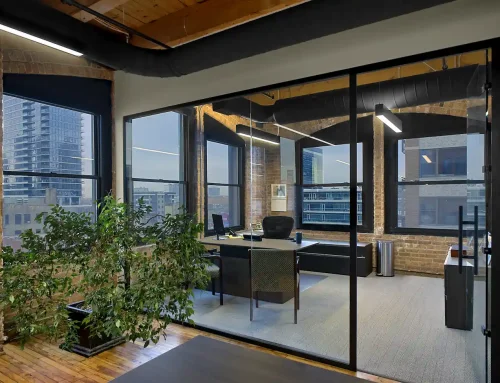
Conference rooms, huddle rooms, and private offices play a major role in client trust. These spaces should be easy to access, appropriately sized, technologically prepared, and designed for confidentiality when needed. Clients notice when presentation screens work, seating is comfortable, and the room supports the purpose of the conversation.
For professional offices, meeting areas should also reflect the level of discretion and polish clients expect. Sound control, privacy, uncluttered surfaces, and integrated technology can help meetings feel more efficient and secure.
A Design-Build-Furnish Approach Creates Consistency
One of the biggest advantages of working with an integrated office design partner is consistency from concept through completion. When design, construction, project management, and furnishings are coordinated together, the finished office is more likely to reflect the original vision, meet operational needs, and stay aligned with budget and schedule expectations.
This matters because trust is built through details. A seamless process helps ensure that space planning, lighting, materials, furniture, permits, inspections, vendor coordination, and final installation all support the same business goals.
Build an Office Clients Remember for the Right Reasons
Clients notice whether your office feels organized, professional, comfortable, and aligned with the promises your business makes. With the right professional office design strategy, your space can communicate credibility before the first conversation begins.
If your company is planning a renovation, relocation, or full office buildout, Key Interiors can help create a workplace that reflects your brand, supports your team, and builds trust with every client who walks through the door. Contact us to get your project started today.