In medical device manufacturing, compliance must be considered in every aspect of facility design. From the materials used in construction to the way people and products move through the space, every detail must align with strict regulatory requirements. Strategic commercial construction plays a foundational role in helping manufacturers meet FDA requirements that govern quality, safety, and consistency. This is why FDA compliance in commercial construction considerations are central to every decision in a medical device facility.
For organizations operating in this highly regulated environment, partnering with a commercial construction expert like Key Interiors ensures that compliance is engineered into the facility from day one, not retrofitted after the fact. Experienced teams translate commercial construction needs into practical, auditable solutions within controlled environments.
The Role of Commercial Construction in FDA Compliance
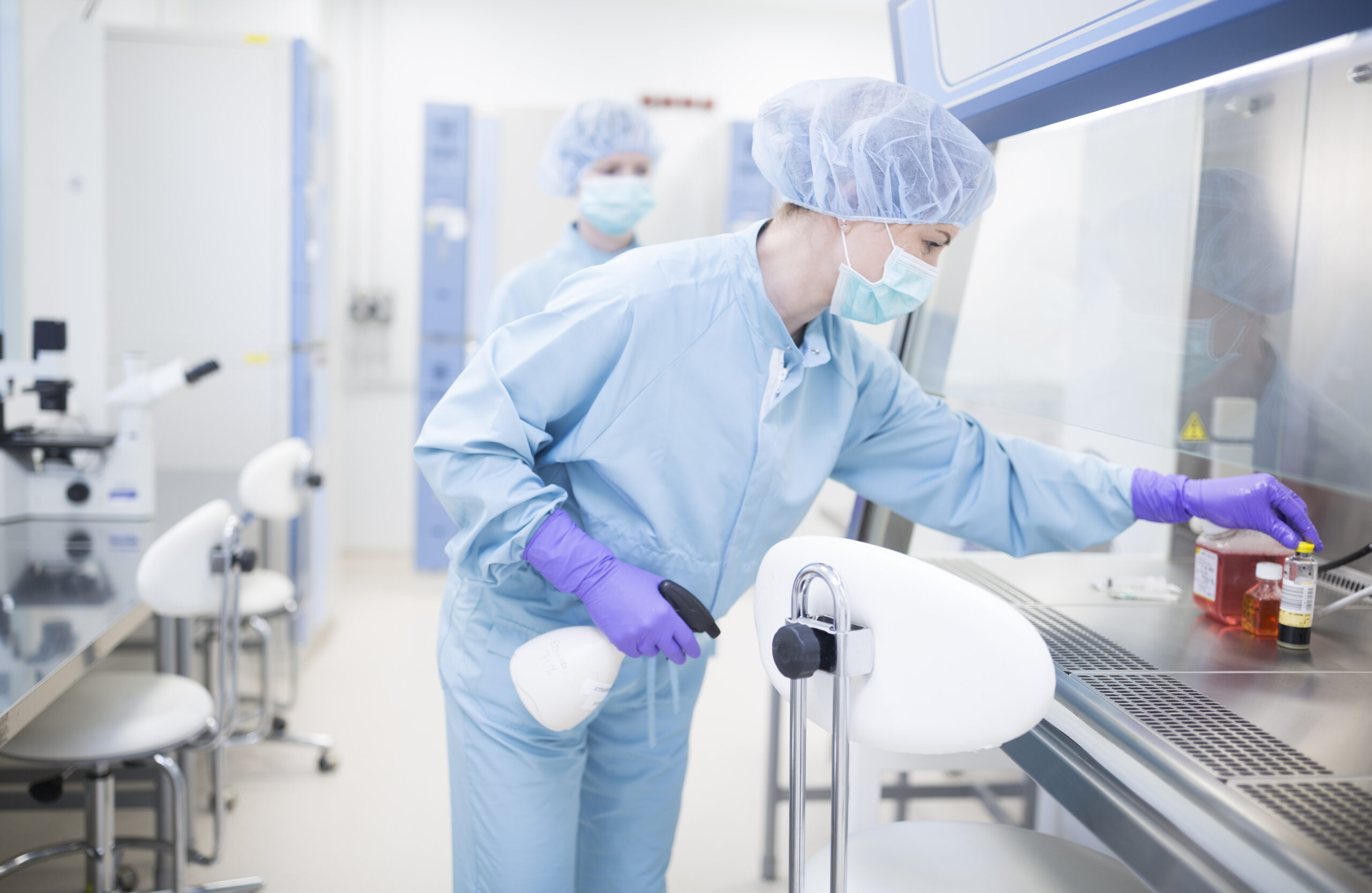
The U.S. Food and Drug Administration (FDA) enforces Current Good Manufacturing Practices (cGMP) for medical device manufacturers, requiring facilities to maintain controlled environments that prevent contamination, ensure traceability, and support consistent production outcomes. Effective medical device manufacturing construction blends these requirements into the physical space, ensuring a compliant commercial construction medical device layout.
Commercial facility design directly impacts regulatory compliance for projects subject to FDA oversight. Layout design establishes room classifications, pressure cascades, and unidirectional flow; material selection ensures surfaces are cleanable and non-shedding; and infrastructure integration supports environmental monitoring, validation, and maintenance. All of which are critical to routine compliance and audit readiness.
Key considerations include:
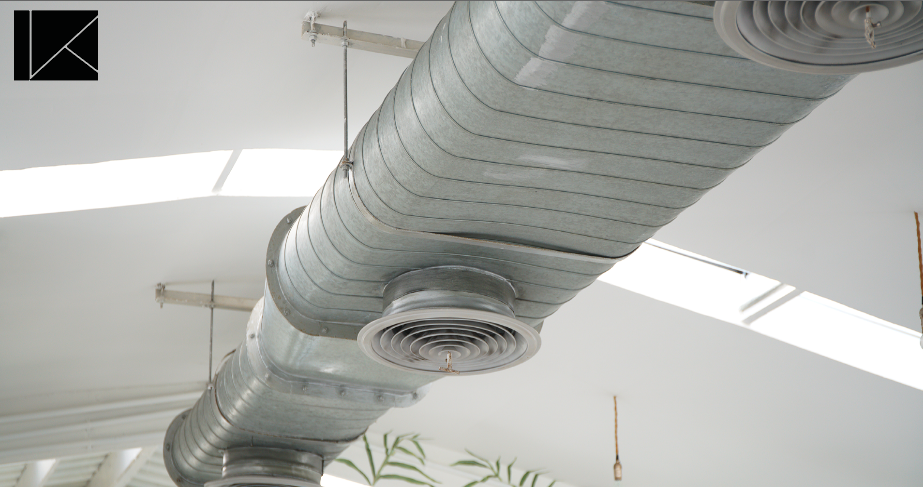
- Controlled Environments: Cleanroom construction, air handling systems, and pressure differentials are essential for maintaining particulate control and preventing cross-contamination.
- Material Selection: Non-porous, easy-to-clean surfaces such as seamless wall panels and epoxy flooring reduce contamination risks and support sanitation protocols.
- Workflow Segmentation: Proper separation of raw materials, work-in-progress, and finished goods helps maintain product integrity and simplifies traceability.
- Utilities Integration: HVAC, electrical, and process utilities must meet precise operational tolerances while remaining accessible for maintenance and validation.
An experienced commercial construction team understands how these elements intersect with FDA expectations, ensuring the facility supports compliance without compromising operational efficiency. This alignment between medical device manufacturing construction and regulatory demands strengthens long-term commercial construction FDA compliance.
Designing for Audit Readiness and Long-Term Compliance
Regulatory audits, whether conducted by the FDA or other certification bodies, scrutinize not just processes, but the environment in which those processes occur. Commercial construction must therefore prioritize audit readiness from the outset for every medical device facility.
Features that support successful audits include:
- Clear segregation of controlled and uncontrolled areas with defined pressure cascades and signage
- Logical personnel and material flow to prevent cross-contamination, including dedicated corridors and airlocks
- Easily cleanable and inspectable surfaces with minimal joints, sealed penetrations, and radiused coves
- Infrastructure that supports environmental monitoring and data collection
A facility designed with these principles reduces the burden on operational teams and increases confidence during inspections. Purposeful commercial construction strategies create repeatable outcomes in controlled environments, reinforcing FDA expectations.
Flexibility in a Regulated Environment
Medical device manufacturers must adapt to evolving regulations, new product lines, and technological advancements. Commercial construction should provide the flexibility needed to accommodate these changes without disrupting compliance, particularly in a medical device facility where validated systems are essential.
Modular cleanroom systems, scalable production spaces, quick-connect utilities, and adaptable ceiling grids allow facilities to evolve while maintaining validated conditions. This flexibility is essential for minimizing downtime and protecting long-term investments, while upholding FDA compliance across upgrades and expansions.
The Value of a Specialized Commercial Construction Partner
Not all construction firms are equipped to manage the complexities of medical device manufacturing environments. A specialized commercial construction partner brings an understanding of regulatory requirements and the operational realities of controlled environments.
At Key Interiors, we work closely with medical device manufacturers to design and build facilities that align with FDA expectations. Our approach ensures that compliance, efficiency, and scalability are integrated into every phase of the project.
Building Compliance Into Your Facility from the Ground Up
FDA compliance depends on more than documentation; it also requires a facility designed to support it. With the right commercial construction strategy, manufacturers can create spaces that promote cleanliness, control contamination, enhance safety, and withstand rigorous audits.
If you are planning to build or upgrade an existing space, partner with a commercial construction team that understands the demands of medical device manufacturing and delivers results that meet the highest standards. Contact Key Interiors today to learn more.