For food manufacturers, a test kitchen is a creative space where product development, quality assurance, and day-to-day functionality come together. From layout and materials to equipment integration, every detail must support repeatable testing, food safety, and efficient workflows.
This is where the role of an experienced interior designer becomes critical. In test kitchen projects, an interior designer does far more than select finishes or define aesthetics. They help translate R&D goals into a functional, compliant, and high-performing environment. It’s this distinction that has made Key Interiors the go-to source for test kitchen design in Chicago and beyond.
Translating Product Development into Spatial Design
A test kitchen must accommodate a wide range of activities, from small-batch experimentation to process validation and sensory evaluation. An interior designer works closely with stakeholders such as R&D teams, QA managers, and operations leaders to understand how products will be developed and tested.
From there, they design a layout that supports:
- Efficient movement between prep, cooking, testing, and cleaning zones
- Clear separation of allergen and non-allergen workflows
- Logical placement of equipment to minimize cross-traffic and contamination risk
An experienced interior designer ensures the space reflects real-world production conditions while maintaining the flexibility needed for innovation.
Designing for Food Safety and Compliance
Food safety is non-negotiable in any test kitchen. Interior designers must incorporate hygienic design principles that align with FDA guidelines and industry standards such as HACCP.
Key design considerations include:
- Sanitary Surfaces: Non-porous, easy-to-clean materials like stainless steel, epoxy flooring, and seamless wall systems
- Cleanability: Coved transitions, minimal seams, and proper drainage to eliminate areas where bacteria can accumulate
- Zoning: Separation of raw and ready-to-eat areas to prevent cross-contamination
- Handwashing & Sanitation Stations: Strategically placed for accessibility without disrupting workflow
A knowledgeable interior designer understands how these elements impact both daily operations and audit outcomes.
Equipment Integration and Utility Coordination
Test kitchens often include specialized equipment that must be integrated seamlessly into the space. An interior designer coordinates with engineers, equipment vendors, and contractors to ensure proper placement and utility access.
This includes:
- Gas, water, and electrical connections tailored to equipment specifications
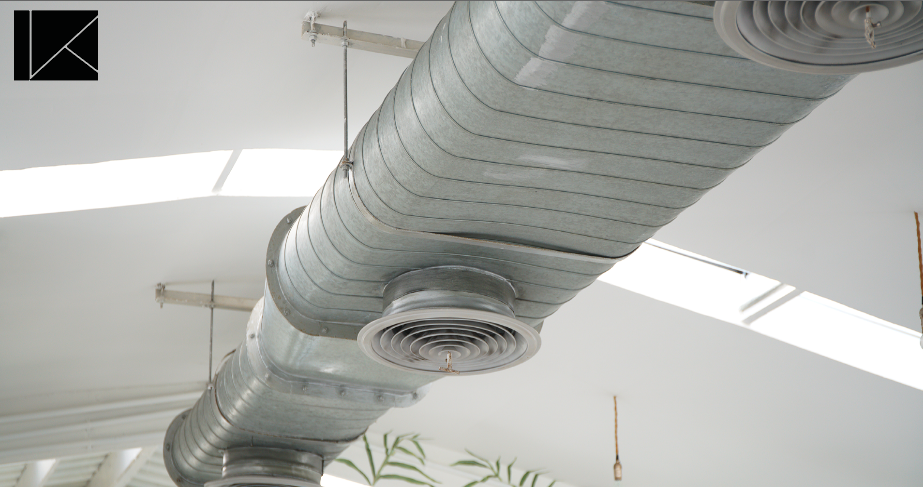
- Ventilation and exhaust systems designed for high-heat and high-moisture environments
- Adequate spacing for safe operation, maintenance, and cleaning
Poor coordination at this stage can lead to costly rework, delays, or operational inefficiencies. A skilled interior designer mitigates these risks by aligning all project stakeholders early in the process.
Supporting Workflow Efficiency and Throughput
Even in a test environment, efficiency matters. A well-designed test kitchen allows teams to move quickly between tasks without unnecessary friction.
Interior designers optimize workflow by:
- Reducing travel distances between key workstations
- Designing intuitive layouts that mirror production environments
- Incorporating flexible work areas that can adapt to different testing scenarios
This approach not only improves productivity but also helps ensure that test results accurately reflect real-world manufacturing conditions.
Creating Spaces for Collaboration and Evaluation
Test kitchens are inherently collaborative environments. Product developers, chefs, quality teams, and executives often need to interact within the space.
An interior designer will incorporate:
- Observation areas for stakeholders to review testing without disrupting operations
- Sensory evaluation rooms designed for controlled tasting and analysis
- Collaborative zones for discussion, documentation, and iteration
These elements help bridge the gap between development and decision-making, accelerating the path from concept to commercialization.
Flexibility for Evolving Product Lines
Food manufacturers must constantly adapt to new trends, ingredients, and processes. A test kitchen should be designed with this evolution in mind.
Interior designers achieve flexibility through:
- Modular workstations and movable equipment
- Scalable utility infrastructure
- Multi-purpose spaces that can support different types of testing
This ensures the test kitchen remains a valuable asset as business needs change.
The Value of a Specialized Interior Designer
 Not all designers are equipped to handle the technical demands of a food manufacturing environment. A specialized interior designer brings an understanding of food safety, regulatory requirements, and operational workflows.
At Key Interiors, our interior designers work closely with food manufacturers to create test kitchens that balance innovation with compliance. We focus on delivering spaces that support efficient product development while meeting the highest standards of safety and performance.
Build a Test Kitchen That Drives Results
A successful test kitchen is one that enables innovation without compromising safety or efficiency. By partnering with an experienced interior designer, food manufacturers can create environments that support every stage of product development, from initial concept to full-scale production.
Planning a test kitchen project? Contact Key Interiors for interior designers who understand the complexities of the food industry and can deliver a space that delivers the highest standard of performance.