Laboratory Design Renovation Best Practices: Creating Environments That Enhance Research and Efficiency
Effectively renovating or designing a new lab means creating an environment that maximizes efficiency, promotes collaboration, and ensures compliance with rigorous safety standards. Efficient construction techniques and thoughtful planning are key to achieving these goals. Here’s why partnering with a team experienced in lab facility construction like Key Interiors can help you meet the demands of the future and prepare your team for success.
-
Prioritize Workflow Optimization
A well-designed lab layout streamlines research processes and minimizes wasted time. Workstations, storage, and equipment should be arranged based on how scientists and technicians interact with the space and each other. By carefully analyzing workflow patterns before construction, you can create a layout that reduces congestion, improves access to critical instruments, and enhances overall productivity.
-
Emphasize Safety and Compliance
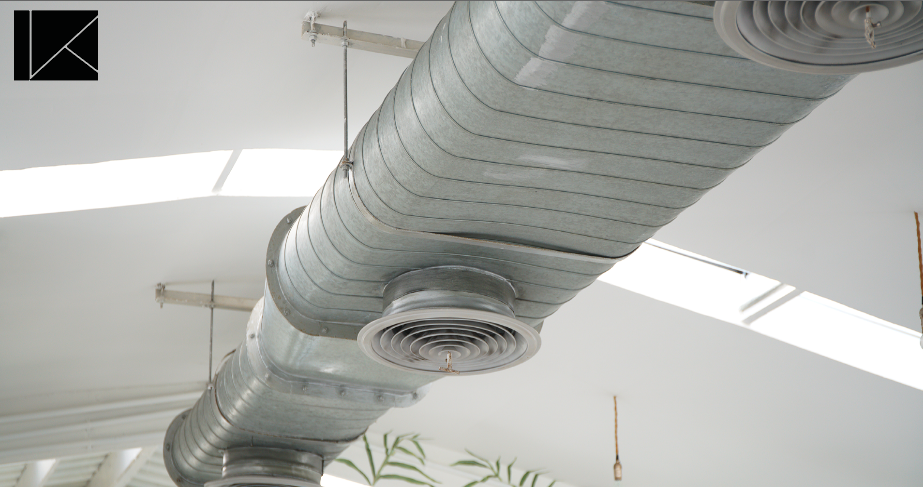
Laboratory environments come with unique safety requirements, including ventilation, chemical storage, and biohazard containment. Renovation projects should integrate safety considerations from the start. Modern construction practices allow for built-in compliance features such as emergency showers, fire suppression systems, and fume hoods, ensuring that the lab meets regulatory standards while keeping researchers safe.
-
Incorporate Flexibility for Future Needs
Scientific research evolves rapidly, and lab facilities must be adaptable. Designing with modular furniture, movable workstations, and flexible utilities allows spaces to accommodate new equipment and changing research priorities. Strategic construction planning can integrate these flexible solutions without requiring extensive retrofitting down the line.
-
Integrate Technology and Data Management
Modern labs rely on sophisticated equipment and digital systems. Renovation projects should account for power needs, data cabling, and smart systems integration during construction. This ensures that researchers can operate efficiently and safely, with minimal disruptions and maximum data accessibility.
-
Focus on Collaboration and Ergonomics
 Effective lab design balances individual work areas with collaborative spaces. Providing comfortable, ergonomic workstations and designated areas for team discussions encourages communication and innovation. Thoughtful construction decisions, such as appropriate lighting, acoustic control, and spatial planning, contribute to a productive and comfortable work environment.
Partner with Experts in Laboratory Design
Renovating or building a laboratory is a complex undertaking that requires expertise in both design and construction. By partnering with a team experienced in lab facilities, you ensure that your space is safe, efficient, and adaptable to future research demands. Proper planning and execution result in a lab that enhances workflow, supports scientific breakthroughs, and maximizes operational efficiency.
Contact us today to learn how expert design and construction services can elevate your laboratory environment.