How to Plan Interior Upgrades Without Shutting Down Your Food Production Line
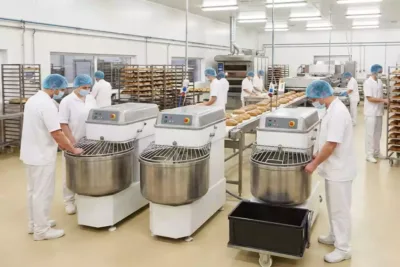 For food manufacturers, food production interior upgrades are often necessary, but rarely convenient. Aging facilities, inefficient layouts, and changing regulatory requirements all demand attention. At the same time, shutting down a production line can mean lost revenue, supply chain disruptions, and compliance challenges. The good news is that with the right planning and partners, interior improvements can be executed without halting operations.
As a leading facility design company in Chicago, Key Interiors has the expertise to help guide your company through the process of construction planning for food production. From food production line renovation to coordinating construction with food production, here’s what you need to know to keep your facility operational and up to date.
Start With Operational Priorities, Not Aesthetic Goals
In food production environments, functionality and compliance come first. Before design concepts or material selections are discussed, it is critical to understand how your facility operates day to day. Map production flows, sanitation schedules, shift changes, and peak output periods. These insights allow interior upgrades to be planned around your most critical processes rather than forcing operations to adapt to construction.
A successful project begins with identifying which areas are truly mission-critical and which can be addressed in phases with minimal impact.
Phase the Project to Maintain Continuous Production
When it comes to construction planning for food production, phased construction is one of the most effective strategies for minimizing downtime. Rather than upgrading large sections of the facility at once, work is divided into manageable zones. Production continues in active areas while improvements are completed in isolated sections.
This approach requires detailed coordination, clear sequencing, and temporary barriers that maintain sanitation and safety standards. When executed properly, phased upgrades allow facilities to remain operational while steadily improving performance and compliance.
Choose Materials Designed for Food Production Environments
Not all interior materials are suitable for food manufacturing. Floors, walls, and ceilings must withstand moisture, temperature fluctuations, frequent washdowns, and heavy equipment traffic. Selecting the right materials upfront reduces installation time, prevents premature failure, and minimizes future disruptions.
Epoxy and urethane flooring systems, hygienic wall panels, seamless transitions, and impact-resistant surfaces are commonly used in food-grade environments. Choosing materials that cure quickly and require minimal downtime can further reduce interruptions to production.
Coordinate Closely With Sanitation and Quality Teams
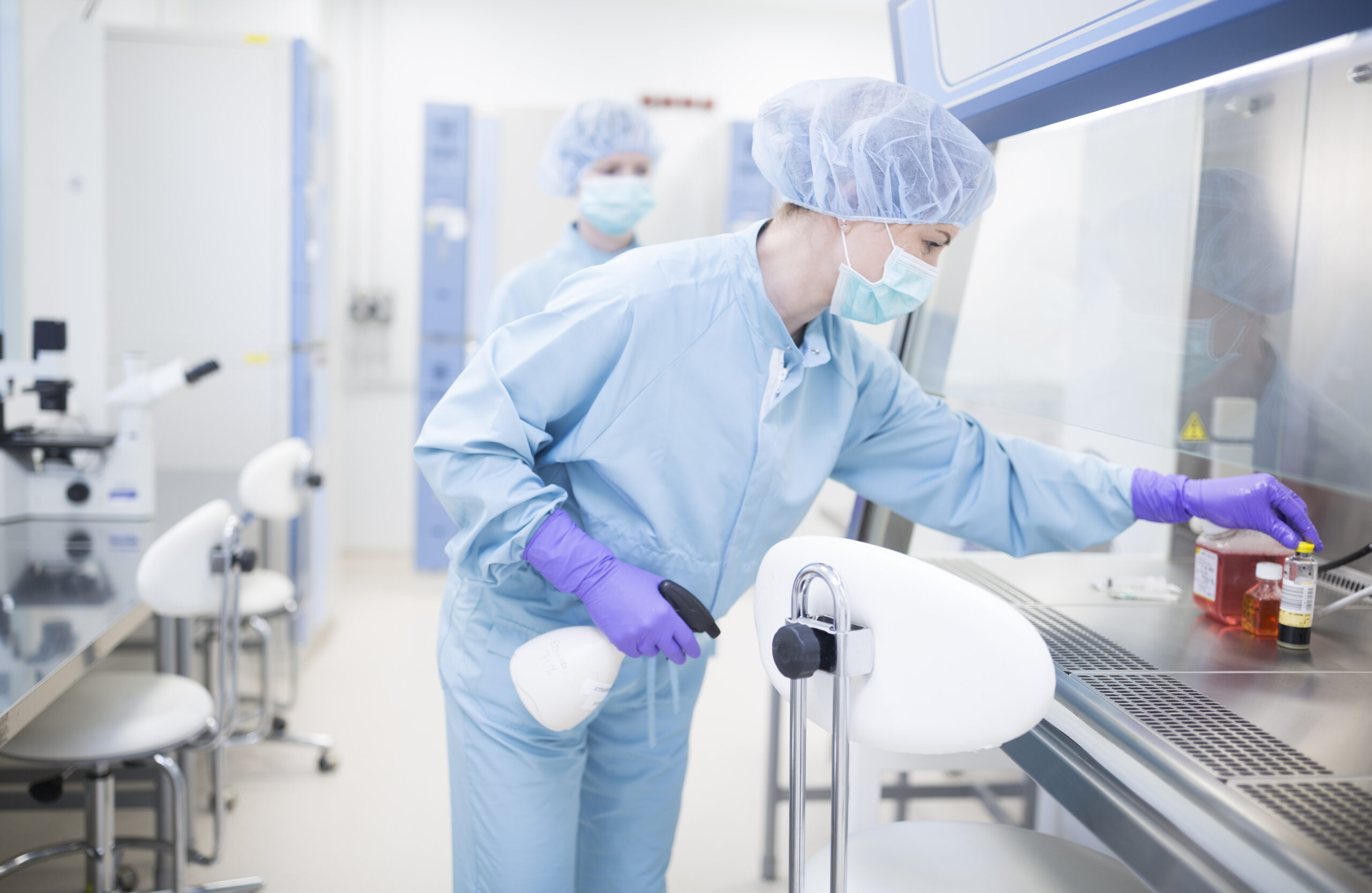
Food production interior upgrades must align with strict sanitation and quality control protocols. Construction activities introduce potential risks, including dust, debris, and cross-contamination. Early collaboration with sanitation, QA, and safety teams ensures proper containment measures, cleaning schedules, and inspections are built into the project plan.
This coordination helps maintain regulatory compliance while preventing delays caused by failed inspections or unplanned shutdowns.
Schedule Work Around Production Cycles
Timing is critical when upgrading active food processing facilities. Many improvements involved in food production line renovation can be scheduled during off-shifts, weekends, or planned maintenance windows. By aligning construction timelines with production lulls or scheduled downtime, facilities can make meaningful upgrades without impacting output.
Advanced planning also allows teams to stock materials, pre-fabricate components, and streamline installation once work begins.
Work With Partners Who Understand Food-Grade Environments
Perhaps the most important factor in avoiding downtime is choosing a partner experienced in food production interiors. These environments demand a higher level of coordination, documentation, and regulatory awareness than traditional commercial spaces.
A knowledgeable interiors partner understands how to work safely around active production, communicate clearly with operations teams, and anticipate challenges before they disrupt output. This expertise translates directly into faster project completion and fewer operational surprises.
Upgrading Without Compromising Production
Key Interiors specializes in interior solutions for food processing facilities and production environments, with a focus on minimizing downtime and maintaining compliance. From phased construction planning to food-grade flooring, wall systems, and interiors coordination, our team understands how to work within active facilities.
If you’re considering interior upgrades and need a plan that keeps your production line running, connect with Key Interiors to start the conversation.